Unauthorized Home Bars on the Rise Among Young Chinese: A New Social Trend Amid Economic Woes
[2025 Latest Update] 🍷🏠
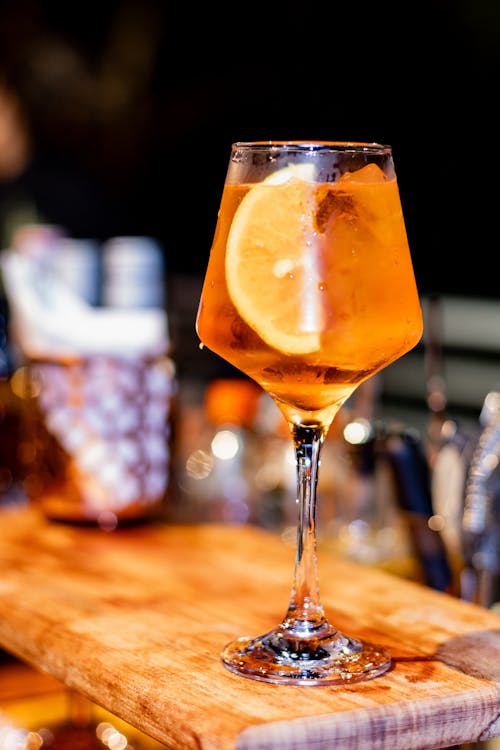
What Are 'Home Bars' in China?
In major Chinese cities like Beijing, a new phenomenon is emerging:
“Home Bars” — unlicensed bars operated inside residential apartments.
Unlike the Western concept of a home bar — a mini bar set up for private gatherings —
the Chinese version operates commercially, serving groups of young people under party lights,
with no signage and minimal overhead costs.
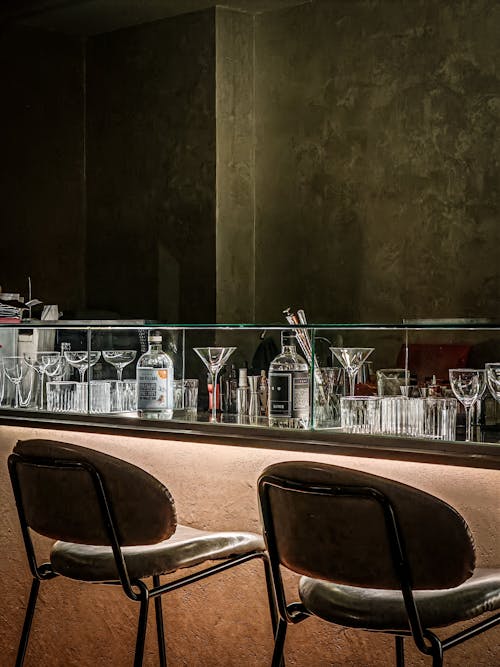
Economic Downturn Drives the Trend
According to the Beijing Municipal Bureau of Statistics,
the local restaurant industry suffered an 81% decline in revenue last year.
High-end restaurants and bars, once frequented by
finance and tech professionals, have seen their customer base shrink dramatically
as incomes have fallen by 40% to 70%.
Amid this economic backdrop, young professionals are turning to
home bars for affordable nightlife alternatives.
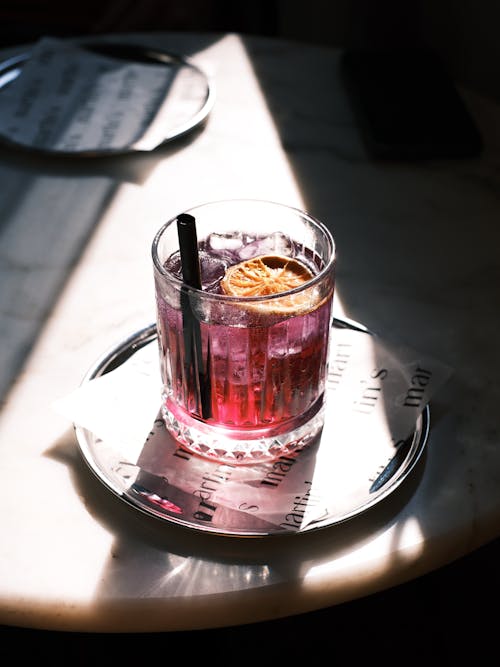
Affordable Prices and Social Opportunities
Home bars are thriving because of their cost-effectiveness:
- Unlimited whiskey and cocktails for around 199 yuan (~$30)
- Compared to traditional bars, this is less than half the price of a single bottle of wine
Many home bars also host social events like
home parties and couple-matching nights, making them popular among
young, early-career professionals.
Entrepreneurs Capitalize on the Trend
The popularity of home bars has attracted entrepreneurs
who rent residential apartments specifically to operate these venues.
While operating costs like rent and interior design are high,
the main risk is legal —
home bars are unlicensed and often subject to police raids if neighbors report them.
One operator near the Beijing Olympic Park shared,
“A couple we know had to shut down their home bar after a neighbor complained.”
Key Takeaway
The rise of home bars among China’s youth reflects broader economic struggles
and a shift in social habits toward more intimate, affordable gatherings.
However, with their unlicensed nature,
home bars exist in a legal grey zone,
posing risks for operators and patrons alike.